5 Signs You're Paying For Water, Not Moisturizer
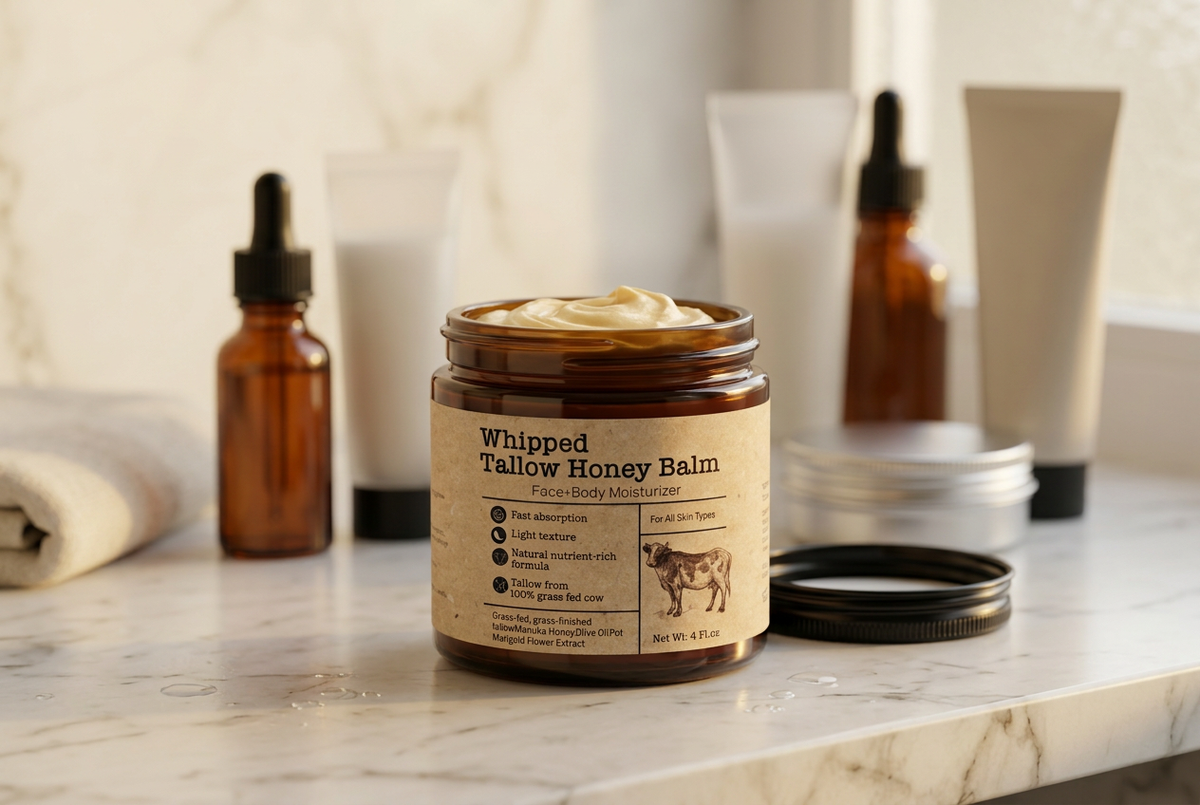
Most moisturizers are mostly water. Not a metaphor, an ingredient list fact: flip the bottle over, and for almost every cream on the market, the first and heaviest ingredient is water. Water evaporates. That's not a design flaw, it's just what water does, and it's the reason a $80 jar and a $12 jar can fail the exact same way by noon.
Here are five signs your moisturizer has that problem, and what a formula without it actually looks like.
The ingredient most creams skip, and yours almost certainly has it
Here's the mechanism nobody puts on the bottle: water evaporates. It's the first, heaviest ingredient in almost every moisturizer, and by definition, water doesn't stay. You put it on at 7am and by noon it's gone, and your skin is tight again, and no amount of reapplying fixes a formula problem.
Skin makes its own oil. After about forty, it makes a lot less. Fat-based formulas, the kind skin already recognizes, absorb in instead of sitting on top and disappearing. This is the jar that's built that way.
The label you can't finish reading
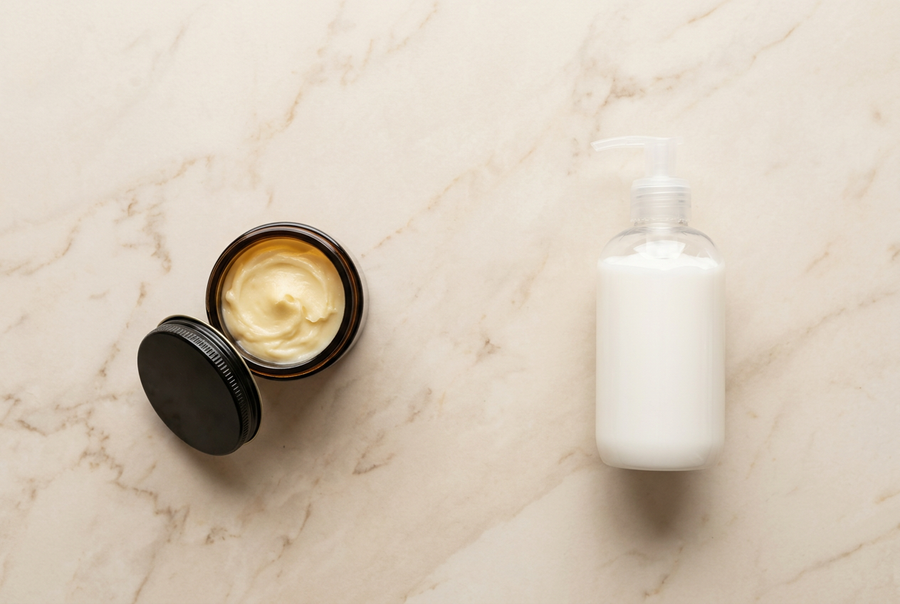
Flip your moisturizer over. Second ingredient, usually glycerin. Third, something you can't pronounce. If you can't read the whole label out loud without stumbling, that's not a small thing, it's the first sign the formula wasn't built to be trusted, it was built to be sold.
Four ingredients you already know, tallow, honey, olive oil, calendula, reads differently. Not because shorter is automatically better, but because you can actually evaluate what you're putting on your skin instead of taking a label's word for it.
The price tag has nothing to do with what's actually in the jar
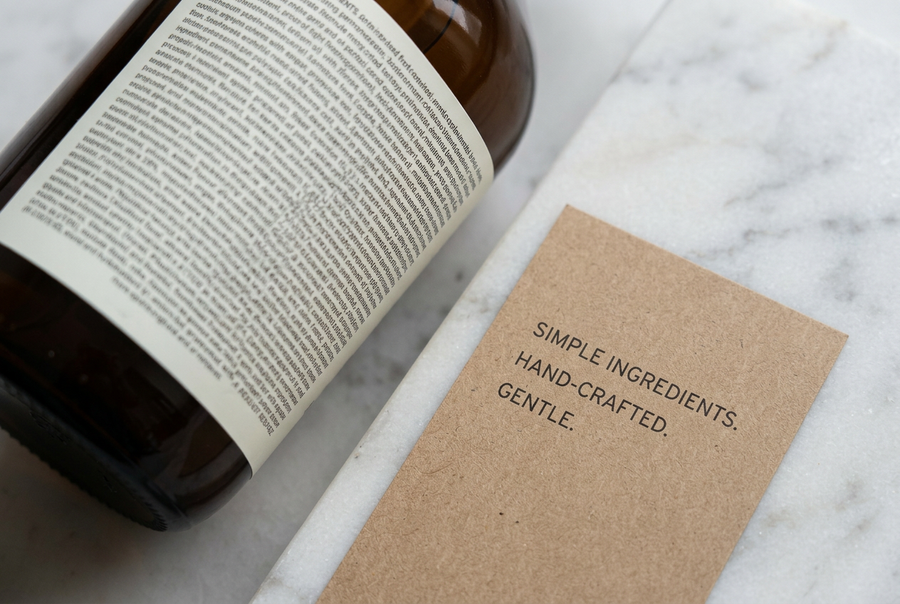
An $80 cream and a $12 lotion can share the exact same first-ingredient problem from sign 1. Price signals packaging, marketing, and brand, not what's actually going to stay on your skin past lunch. The only way to know is to check the label yourself, not the price sticker.
The drawer of half-used products you can each name the price of
Ten, twelve, fourteen products. You could probably list what each one cost. That's not indecision, that's a pattern: each one failed for the same reason as sign 1, and each failure got blamed on your skin instead of the formula.
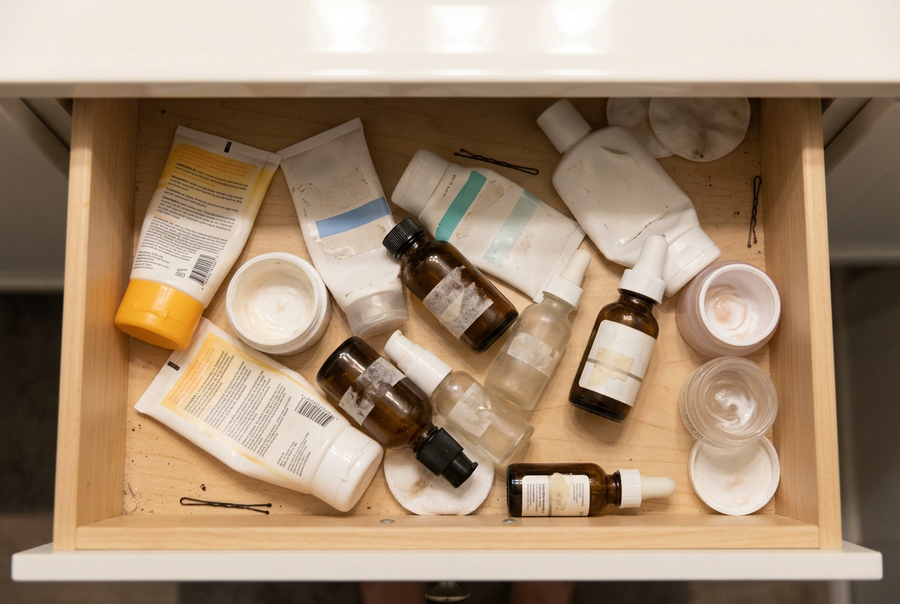
"I threw out eight products and kept this one. My husband noticed before I did."Diana L., verified buyer
The math you haven't actually done
Add up what the failed shelf cost. Most people stop counting on purpose. One jar, four ingredients, replacing all of it, does the math differently: one purchase instead of a dozen guesses.
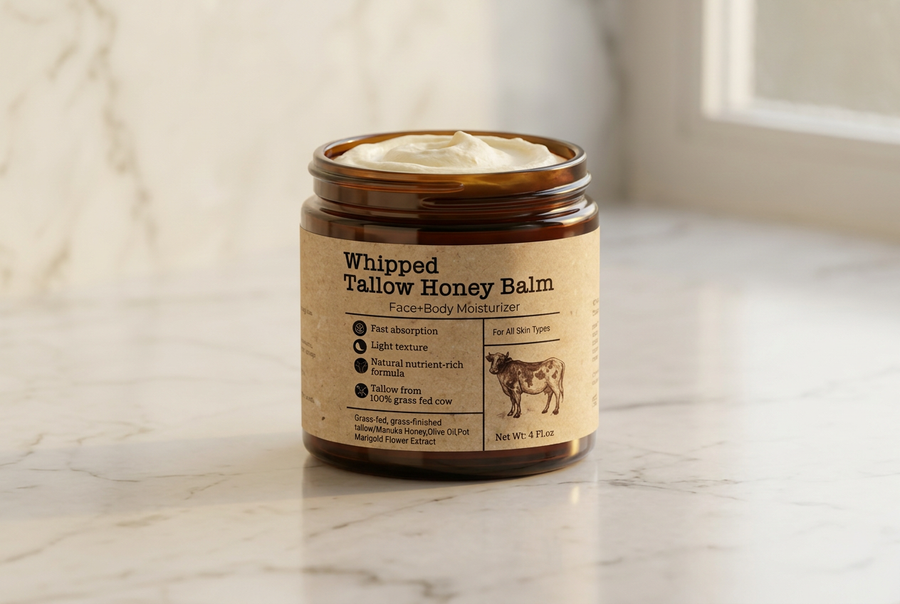
You can check price and availability here.
The part that makes trying it low-risk
60-day money-back guarantee. Use the whole jar. If your skin doesn't love it, email them and get every dollar back, nothing to send back. That's the part that gets people over the "beef fat, seriously?" hump.
Check Availability & See The Jar »This page is a sponsored story presented by the maker of the Whipped Tallow & Honey Balm. The narrative reflects the brand's storytelling; individual results vary. This product is not intended to diagnose, treat, cure, or prevent any disease or skin condition.